Crypto Card Colombia 2026: USDT Spending, PSE & Nequi Funding Guide
Updated: August 26, 2026
·
By the CryptoCard Insider editorial team
·
Tested in Medellín, Bogotá & Cali
🇨🇴 Colombia
PSE
Nequi
Daviplata
Bancolombia
USDT TRC20
Visa
Quick Answer: A RedotPay virtual dollar card (tarjeta virtual en dólares Colombia) lets Colombians bypass peso depreciation, pay for Netflix, ChatGPT Plus, Adobe, and SaaS subscriptions, receive Upwork and Fiverr freelance income as USDT, and avoid high remittance fees. Fund the card with USDT bought through Binance Colombia or Bitso using PSE (Bancolombia, Davivienda, Banco de Bogotá), Nequi, Daviplata, or Efecty cash. Virtual card activation costs $10 — 20% off with code RDVIR (so $8); physical card $100 with RDPHY ($80).
~13%
COP Inflation 2024-25
Why Colombia Needs a Crypto Dollar Card
Colombians face peso depreciation (roughly 40% loss vs USD over five years), high remittance fees (3-7% through Western Union or Bancolombia), recurring international card declines at Netflix, Spotify, and SaaS platforms, and limited access to dollar-denominated savings accounts without a $5,000+ minimum balance. A crypto-backed Visa card solves all four at once.
Pain 1
Peso depreciation erodes savings
"¿Cómo proteger mis ahorros de la devaluación del peso colombiano?"
Colombia's inflation has averaged 8-13% annually since 2021, and the COP/USD rate crossed 4,400 in 2024 and continues weakening. A RedotPay card holds USDT pegged to USD, preserving purchasing power while letting you spend freely anywhere Visa is accepted.
Pain 2
Recurring international card declines
"Why does my Bancolombia card keep getting declined on Netflix, Spotify, and ChatGPT Plus?"
Colombian bank Visa/Mastercards are increasingly flagged for foreign subscription billing. The card stops working mid-month, leaving you without Netflix or ChatGPT Plus. A USDT-funded crypto card clears as a domestic Visa transaction and never gets blocked.
Pain 3
High remittance fees from the diaspora
"¿Cuál es la forma más barata de enviar dinero a Colombia desde USA?"
Western Union, Remitly, and Bancolombia Florida Agent charge 3-7% per $1,000 sent. Sending USDT on TRC20 from any US crypto exchange costs about $1-2 total and arrives in Bogotá or Medellín within minutes. Recipients convert to COP on Binance P2P or Bitso at near-market rates.
Pain 4
Upwork and Fiverr payments are expensive
"How do Colombian freelancers get paid without losing 6% to PayPal and bank wires?"
Colombian freelancers on Upwork, Fiverr, Toptal, and Workana often lose 3-6% in PayPal conversion plus another 1-2% on bank wires, and wait 3-7 business days. Receiving USDT directly removes both fees and speeds up access to dollars, which can then be loaded to a RedotPay card for daily spending.
How Do I Get a Virtual Dollar Card in Colombia?
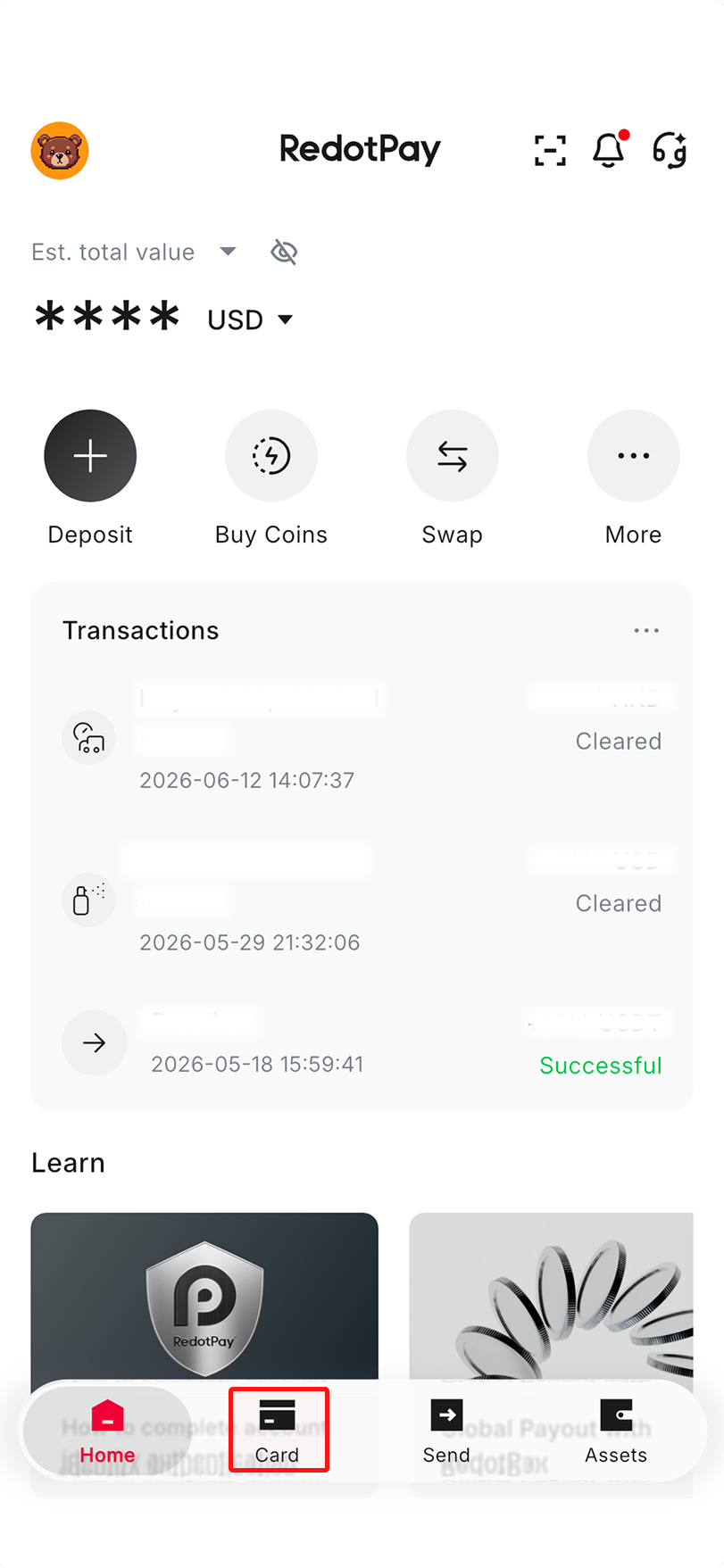
Open RedotPay through a partner link, complete KYC with your Colombian cedula or passport, activate a virtual card for $10 (or $8 with code RDVIR) or physical Visa card for $100 ($80 with RDPHY), then fund the card by sending USDT via TRC20 from any Colombian exchange wallet. Total time from signup to first spend is approximately 30-60 minutes.
The activation process is intentionally built to be reachable for Colombians without high-tier banking:
- Sign up via the RedotPay partner link using your Colombian phone number or email. Code RDVIR is auto-applied for virtual card, RDPHY for physical.
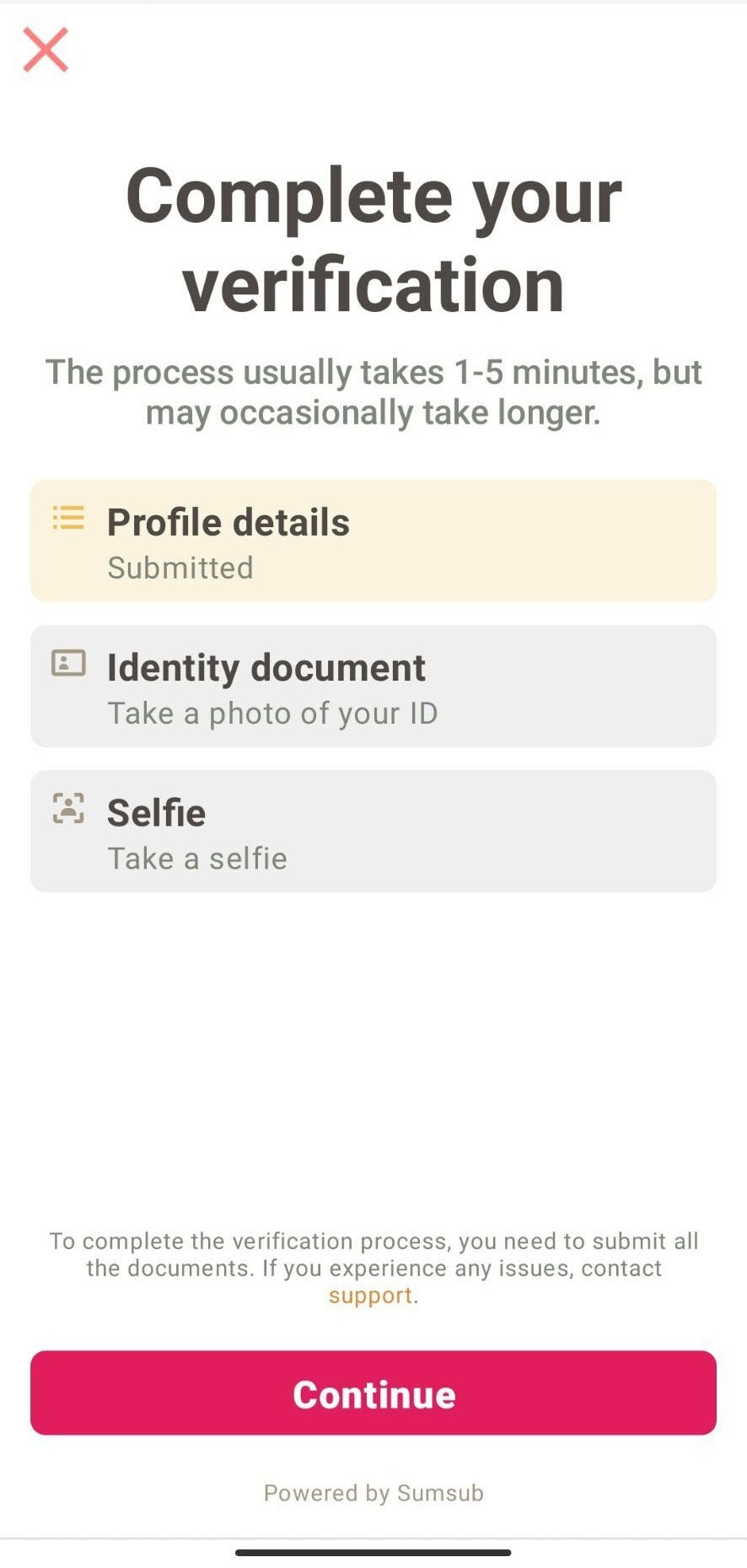
- Complete KYC with your cédula de ciudadanía (for Colombians), cédula de extranjería (for residents), or passport. Upload a clear photo of the front and back, plus a selfie. Approvals typically take 5-15 minutes for Colombian documents.
- Activate your card: virtual for $10 (or $8 with RDVIR, 20% off), physical for $100 ($80 with RDPHY). The physical card ships internationally and arrives in Colombia in approximately 7-14 business days.
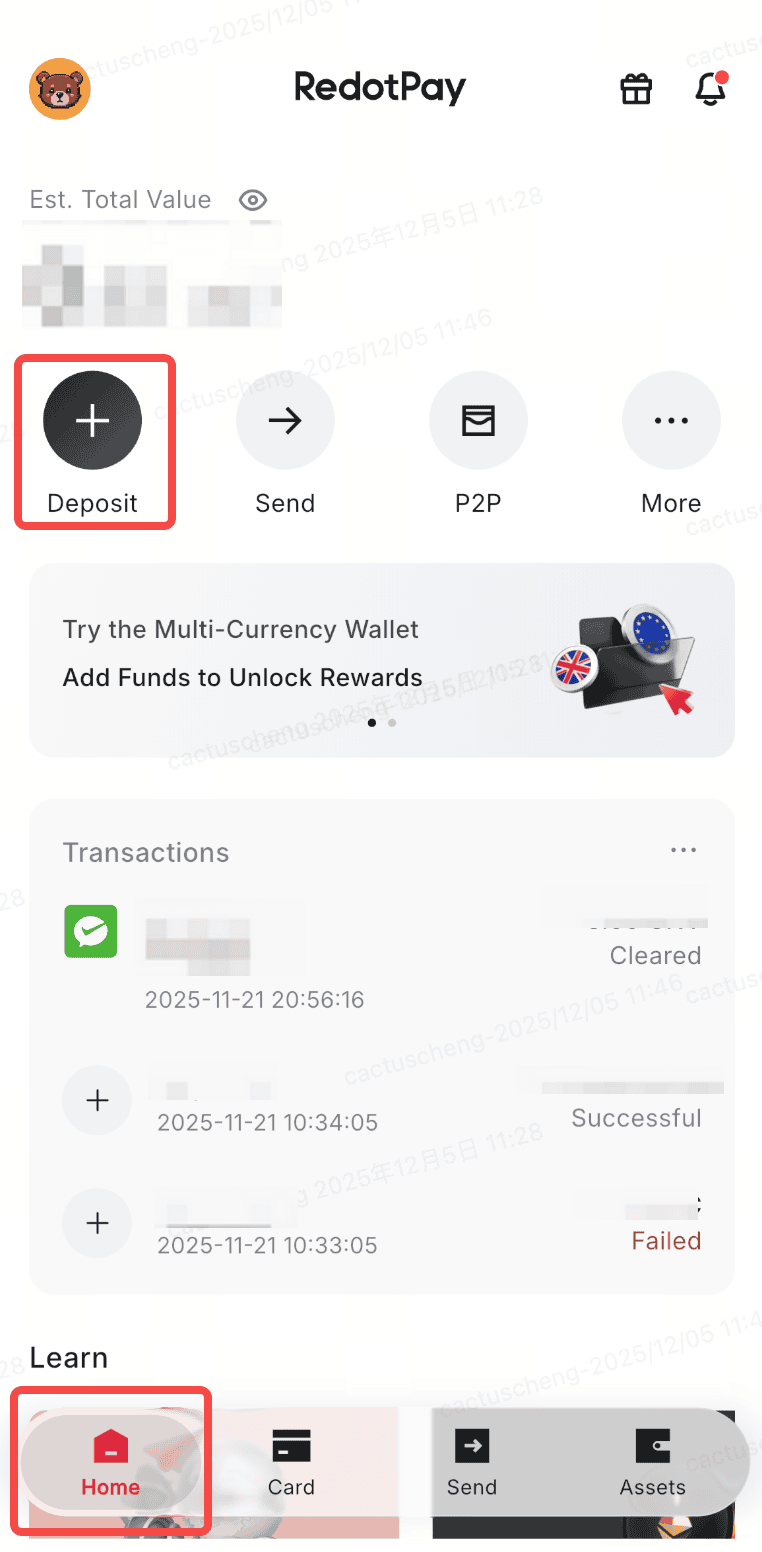
- Fund with USDT: copy your RedotPay TRC20 deposit address from the app, then send USDT from any Colombian exchange wallet (Binance, Bitso, Bybit). TRC20 network fee: approximately $1.
- Spend globally: use the virtual card at any Visa merchant online (Netflix, Spotify, ChatGPT Plus, Adobe, Upwork withdrawals, Amazon US) or add it to Apple Pay / Google Pay for in-store purchases in Colombia and abroad.
💡 Pro tip for Colombians: The physical card works at any POS terminal in Colombia and abroad. Many Medellín users add the card to Apple Pay and use it at Éxito, Jumbo, and Carulla for dollar-priced transactions.
What's the Cheapest Way to Buy USDT in Colombia?
For Colombian bank-account holders, the cheapest route is PSE bank transfer to Binance or Bitso, then USDT (TRC20) to RedotPay. For Nequi/Daviplata users, P2P trading on Binance is the fastest mobile-money route. Cash buyers use Efecty or PuntoRed to fund a Binance Colombia account.
Funding Methods Compared (Colombia, August 2026)
| Method | Typical Fee | Speed | Best For |
|---|
| PSE (Bancolombia, Davivienda) | ~2,500-3,500 COP + 0.1-0.5% spread | 5-15 minutes | Bank account holders, large amounts |
| Nequi / Daviplata (P2P) | 0.1-0.5% spread | 5-30 minutes | Mobile money users, mid-sized transfers |
| Efecty / PuntoRed cash | 2-4% spread via vendor | 30-60 minutes | Unbanked users, small amounts |
| Bitso Colombia direct | 0.3-0.8% spread | Instant | Regulated Colombian on/off-ramp |
| USDT TRC20 to RedotPay | ~$1 network fee | 1-3 minutes | Final leg to RedotPay wallet |
If you're funding from Bancolombia, Davivienda, BBVA, Banco de Bogotá, or Banco de Occidente, PSE is the cleanest rail: bank account → exchange → USDT → RedotPay. If you only have Nequi or Daviplata on your phone, Binance P2P lets you buy USDT directly from Colombian vendors who accept mobile wallet payment. Cash users (unbanked or underbanked) top up via Efecty, PuntoRed, or Baloto at any corner store, then buy USDT.
¿Listo para empezar?
Open your RedotPay account today. Register via our partner link and use code RDVIR for 20% off virtual card ($10→$8) or RDPHY for 20% off physical card ($100→$80). Colombian cedula and Nequi accepted at KYC.
Get Your Card — 20% OFF
Virtual: RDVIR
Physical: RDPHY
Can Colombian Freelancers Receive Upwork and Fiverr Payments with a Crypto Card?
Yes. Colombian freelancers on Upwork, Fiverr, Toptal, and Workana can request USDT payouts from platforms that support crypto (or receive USD via PayPal/Wise, convert to USDT on Bitso), then load the RedotPay card to spend directly. This route skips PayPal's 4-6% FX spread and the 1-2% bank wire fee, putting more pesos back in your pocket.
Most Colombian remote workers on Upwork face three pain points: (1) PayPal currency conversion fees of 3.5-6%, (2) the 7-10 business day bank wire window, and (3) limited USD savings accounts (Bancolombia's "Cuenta Superior" requires $5,000+ minimum). The crypto card workflow solves all three:
- Withdraw Upwork USD to PayPal or Wise → convert to USDT on Binance P2P or Bitso → load RedotPay card in 5 minutes.
- Spend directly on subscription tools (Notion, Linear, Figma) without converting back to COP and losing another 1-2% on the spread.
- Hold savings in USDT in your RedotPay wallet, sidestepping Bancolombia's restrictions on dollar deposits over certain thresholds.
⚠️ Tax note: Colombian DIAN requires crypto income over certain UVT thresholds to be declared as "otros ingresos" / "ingresos por criptoactivos." Keep records of USDT received and COP value at time of receipt.
Which Subscriptions Can Colombians Pay with a USDT Card?
A RedotPay virtual Visa card funded with USDT works at every international merchant that accepts Visa: streaming (Netflix, Spotify, Disney+, HBO Max, Apple TV+), productivity (ChatGPT Plus, Claude Pro, Notion, Linear, Figma, Adobe Creative Cloud), cloud storage (Google One, iCloud, Dropbox), gaming (Steam, PlayStation Store, Xbox), developer tools (GitHub Copilot, Cursor), and ad platforms (Google Ads, Meta Ads, TikTok Ads).
This is one of the highest-value use cases for Colombian users. Local Bancolombia, Davivienda, and Banco de Bogotá cards are increasingly declined for foreign subscription billing — many Medellín freelancers report their cards getting blocked after 2-3 international charges per month. A USDT-funded card clears as a domestic Visa transaction and never gets flagged the same way. See our Apple Pay and Google Pay guide for adding the card to mobile wallets.
How Does a Crypto Card Protect Colombian Savings from Peso Depreciation?
Holding USDT instead of COP keeps your savings pegged 1:1 to USD. When you spend via RedotPay, the USDT is converted to USD at transaction time, not back to COP first — so your purchasing power stays constant regardless of how far the peso falls. This is why "ahorrar en dolares" (saving in dollars) is one of the most-searched financial topics in Colombia right now.
The math is simple: if you held 10 million COP in a Bancolombia savings account in 2021, that was approximately $2,500 USD. By 2026, the same 10 million COP is approximately $2,300 USD (and after 13% inflation, real value is closer to $2,000). The same $2,500 held in USDT today is still $2,500 — and spends at any Visa merchant worldwide at $2,500 worth of goods.
What's the Cheapest Way for Colombians to Receive Remittances?
The cheapest remittance route into Colombia is USDT on the TRC20 network. Sending $1,000 from anywhere in the world to a Colombian wallet costs approximately $1-2 in network fees plus 0.1-0.5% spread on a local exchange like Bitso or Binance P2P. Total cost: ~$3-7 versus $30-70 with Western Union.
For the Colombian diaspora in the US, Spain, and the UK — remittances totaling over $10 billion per year into Colombia — switching from Western Union to USDT saves the sender roughly $50-150 per $1,000 sent. The recipient in Bogotá, Medellín, or Cali converts USDT to COP on Binance P2P, Bitso, or through a local trader, often at near-market rates within minutes.
Is RedotPay Legal and Safe in Colombia?
RedotPay is legal in Colombia. The country regulates crypto exchanges through the Superintendencia Financiera and allows individuals to hold and use stablecoins. RedotPay complies with KYC/AML standards, partners with licensed Visa issuers, and uses segregated customer wallets. See our
RedotPay safety deep-dive for the full compliance model.
Colombian law does not prohibit individuals from holding USDT, USDC, or BTC; the Superintendencia Financiera regulates exchanges and on/off-ramps, not end-user ownership. RedotPay is a prepaid Visa product issued by a licensed partner, so the card sits inside global card-network compliance rather than local bank-card regimes.
How to Add USDT to a RedotPay Card (Step by Step)
Open the RedotPay app, copy your personal TRC20 USDT deposit address, send USDT from any Colombian exchange or wallet to that address within 1-3 minutes, and the balance appears in your card wallet. From there, the card auto-converts USDT → USD at the point of sale with about 1% conversion fee.
- Copy address in RedotPay app → Wallet → USDT → TRC20 → Copy.
- Send USDT from Binance, Bitso, Bybit, or any wallet supporting TRC20. Always double-check the network — TRC20, not ERC20 or BEP20.
- Confirm receipt in the RedotPay app within 1-3 minutes (TRC20 confirmation is fast).
- Spend via virtual card online or physical card at any Visa-accepting merchant.
For step-by-step screen-by-screen walkthrough, see our activate RedotPay card tutorial and Apple Pay/Google Pay guide.
Frequently Asked Questions
How do I get a virtual dollar card in Colombia?
Register on RedotPay through cryptocardinsider.com, complete KYC with your Colombian cedula or passport, buy USDT on Binance Colombia or Bitso using PSE (Bancolombia, Davivienda, Banco de Bogotá), Nequi, Daviplata, or Efecty cash, transfer USDT via TRC20 (~$1 fee), then activate your virtual card for $10 with code RDVIR (20% off, so $8) or physical card for $100 with RDPHY ($80).
Can I use PSE to buy USDT in Colombia?
Yes. PSE (Pagos Seguros en Línea) is the most common Colombian bank transfer rail and works with Binance P2P, Bitso, and Bybit. You fund from Bancolombia, Davivienda, Banco de Bogotá, BBVA, or any Colombian bank account. Typical PSE top-up limit is 5-10 million COP per transaction on exchange P2P desks. PSE transfers settle within minutes and cost approximately 2,500-3,500 COP per transaction.
Is RedotPay legal in Colombia?
Yes. Colombia's Superintendencia Financiera regulates crypto exchanges and pilot programs but does not ban individual stablecoin ownership or use. RedotPay operates as a prepaid Visa card issuer with full KYC/AML compliance. Colombian residents can legally hold USDT, USDC, and other stablecoins, and use them to fund a Visa-accepted crypto card. You still must declare crypto holdings over certain UVT thresholds for tax purposes.
How does a crypto card protect Colombian savings from peso depreciation?
The Colombian peso has lost roughly 30-40% of its USD value over the past five years, with annual inflation around 10-13%. Holding USDT instead of pesos keeps your savings pegged to the US dollar. A crypto card lets you spend those USDT at any Visa merchant worldwide without converting back to COP, preserving purchasing power.
Can Colombian freelancers receive Upwork and Fiverr payments with a crypto card?
Yes. Many Colombian freelancers on Upwork, Fiverr, Toptal, and Workana face PayPal account limitations, 3-6% bank wire fees, and slow USD-to-COP conversions. Receiving USDT directly to a TRC20 wallet, then loading a RedotPay card, lets you spend dollars globally without touching the Colombian banking system.
¿Cómo comprar USDT con PSE en Colombia?
Regístrate en Binance o Bitso con tu cédula colombiana, completa KYC, dirígete a "Comprar Cripto" / P2P, selecciona USDT, elige un vendedor que acepte PSE (Bancolombia, Davivienda, Banco de Bogotá) o Nequi, transfiere pesos colombianos, y recibirás USDT en tu billetera en minutos. Luego transfiere USDT (TRC20) a tu wallet de RedotPay para fondear tu tarjeta virtual ($8 con RDVIR) o física ($80 con RDPHY).
What is the cheapest way for Colombians to send remittances using USDT?
Traditional Colombian remittances through Western Union or Bancolombia cost 3-7% per transfer. Using USDT on TRC20 network, sending $1,000 from the US to Colombia costs about $1-2 in network fees plus 0.1-0.5% exchange spread on the receiving end. For the diaspora sending dollars home to Medellín, Bogotá, or Cali, crypto rails typically save 80-90% on fees.
Can I pay Netflix, Spotify, and ChatGPT Plus with a Colombian crypto card?
Yes. A RedotPay virtual Visa card funded with USDT works at any international merchant that accepts Visa, including Netflix, Spotify, Disney Plus, HBO Max, Apple Music, YouTube Premium, ChatGPT Plus, Claude Pro, Google One, Notion, Adobe Creative Cloud, Figma, and Steam. Colombian banks often decline these recurring foreign charges; a crypto card sidesteps that entirely.
Editorial disclosure: CryptoCard Insider is an independent information platform. This article includes partner links to RedotPay. Using these links helps us keep guides free, at no extra cost to you. All statistics, fees, and platform features reflect publicly available information as of August 2026 and are subject to change. Always verify rates on exchange apps before transacting.