Crypto Card Mexico 2026: Spend USDT Without a Traditional Bank Account
Mexico is the second-largest remittance market in the world, yet most Mexicans still pay 3-5% to receive money from the United States, watch the peso swing against the dollar, and see their local bank cards rejected by Netflix, Spotify, Amazon, and Google Ads. A crypto card like RedotPay solves all three problems: buy USDT with pesos through SPEI, Oxxo, or Mercado Pago, hold it as digital dollars, and spend at any Visa merchant worldwide.
Why Mexico Needs a Crypto Dollar Card
For Mexico — the world's second-largest remittance recipient and one of Latin America's biggest freelance and e-commerce markets — the financial reality of 2026 makes crypto cards a practical tool rather than a niche product.
Pain: Peso Volatility and Dollar Access
The Mexican peso moves sharply against the US dollar, especially around elections, policy shifts, and shifts in oil prices. For freelancers earning in dollars, families receiving remittances, or anyone saving for international purchases, converting to pesos means absorbing volatility and purchasing-power risk immediately.
Question Mexicans actually search: "¿Cómo proteger mis ahorros de la devaluación del peso?" (How do I protect my savings from peso devaluation?)
Solution: Holding USDT instead of pesos keeps your savings in dollar value. A RedotPay card lets you spend those USDT directly at international merchants without converting to MXN first — turning a defensive currency hedge into everyday purchasing power.
Pain: Expensive Remittance Fees
Mexico receives approximately $65 billion USD in remittances annually, much of it from the United States. Traditional corridors such as Western Union, MoneyGram, and bank wires charge an estimated 3-5% in fees and FX spreads, and delivery can take hours to days.
Question Mexicans actually search: "Cómo enviar remesas a México sin comisiones altas" (How to send remittances to Mexico without high fees)
Solution: Sending USDT to Mexico costs about $1-2 on the TRC20 network and settles in minutes. The recipient can spend the USDT directly through a RedotPay card or convert to pesos when the rate is favorable — keeping more of every dollar sent home.
Pain: Mexican Cards Declined Internationally
Mexican bank cards frequently fail on international streaming subscriptions, software tools, advertising platforms, and foreign e-commerce sites. Netflix, Spotify, YouTube Premium, ChatGPT Plus, Google Ads, and Amazon all bill in USD, and local cards are often rejected due to issuer restrictions or fraud filters.
Question Mexicans actually search: "¿Por qué mi tarjeta mexicana es rechazada en Netflix y Spotify?" (Why is my Mexican card rejected on Netflix and Spotify?)
Solution: RedotPay is a Visa prepaid card funded by your own USDT. It works at every Visa-accepting merchant globally, so Mexican users can pay for subscriptions, ads, software, and international shopping without relying on a traditional dollar account or worrying about issuer declines.
How to Get a Crypto Card in Mexico
The process is straightforward for any Mexican resident with an INE or passport:
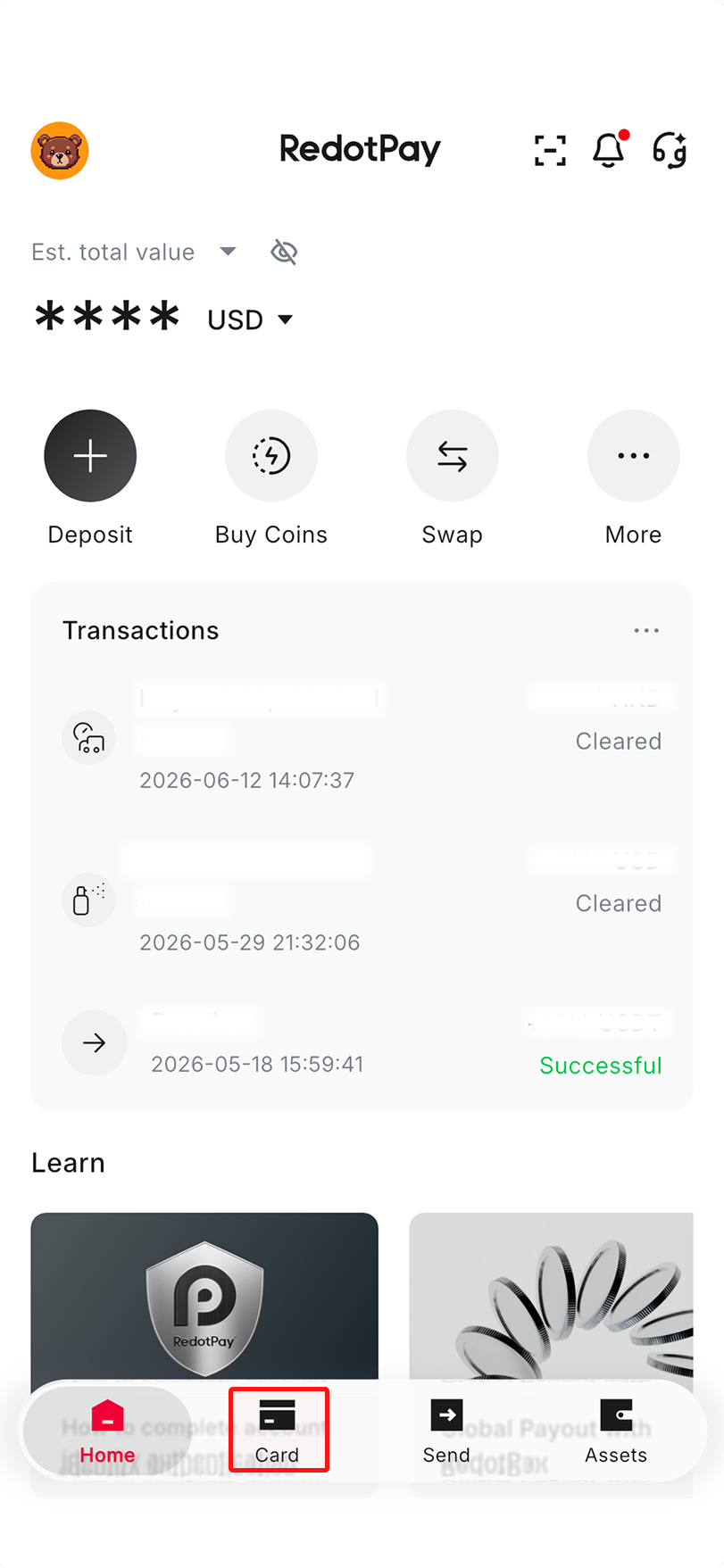
- Sign up through cryptocardinsider.com — partner code xn03i auto-applies (no manual entry)
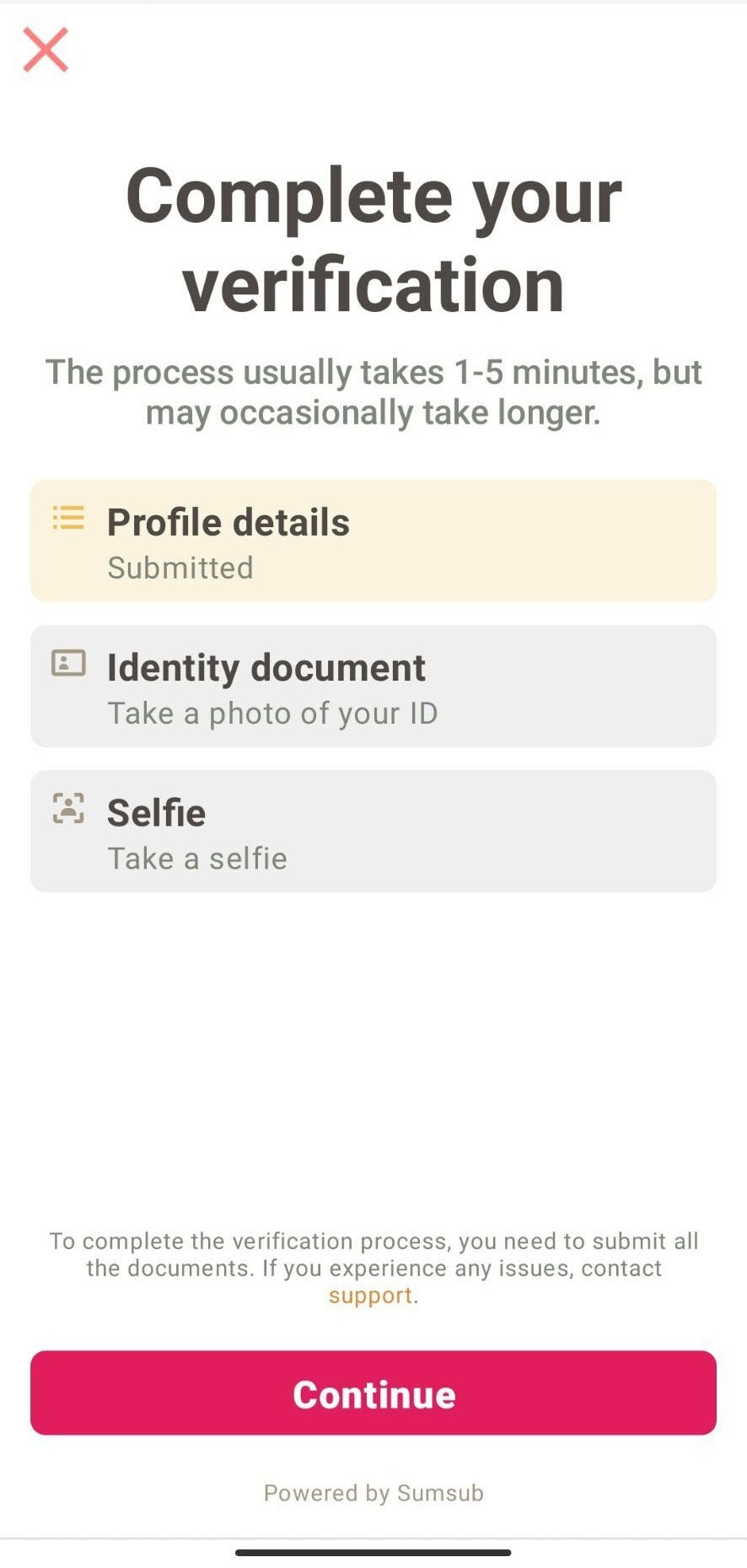
- Complete KYC with your INE (Instituto Nacional Electoral ID) or passport — typically approved within minutes
- Buy USDT on Binance Mexico, Bitso, or another local exchange using MXN via SPEI, Oxxo, Mercado Pago, or bank transfer
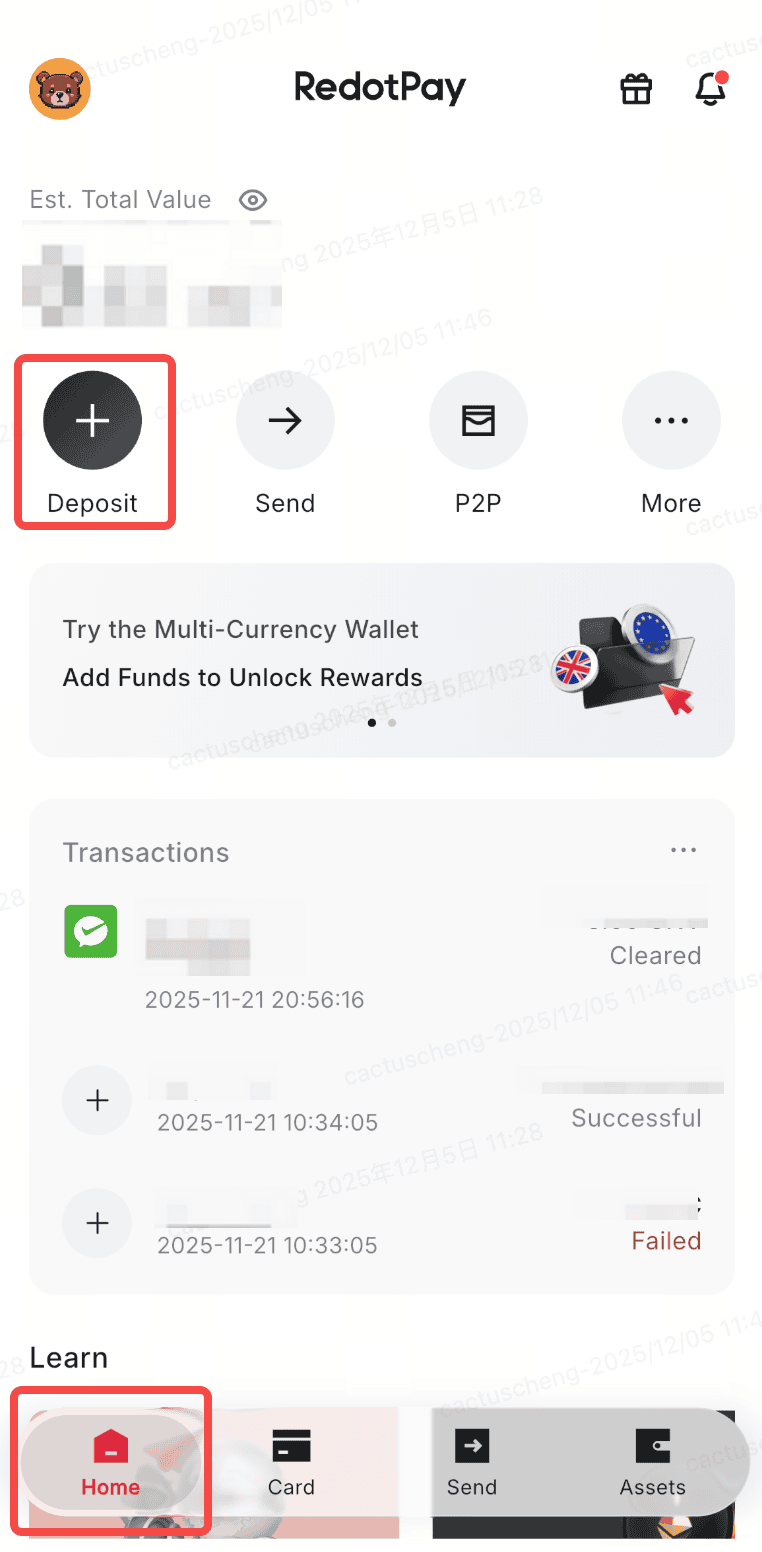
- Transfer USDT (TRC20 network, ~$1-2 fees) to your RedotPay wallet address
- Activate your card — use code RDVIR for virtual card (20% off $10) or RDPHY for physical card (20% off $100)
- Start spending — your card works at Netflix, Spotify, Amazon, Google Ads, and any Visa-accepting merchant worldwide
For a detailed walkthrough of the full onboarding process, see our step-by-step guide to getting a RedotPay card.
Best Crypto Card for Mexico in 2026
| Feature | RedotPay | Mexican Bank Card |
|---|---|---|
| Dollar Account Needed | No — USDT funded | Often required for USD |
| SPEI / Oxxo Funding | Yes, via USDT purchase | Bank account only |
| International Subscriptions | Yes, direct USDT | Frequently declined |
| Remittance Receiving Cost | ~$1-2 (TRC20) | ~3-5% fees + spread |
| Peso Volatility Protection | Hold USDT | Holds MXN only |
| Netflix / Spotify / Google Ads | Yes, at Visa merchants | Often blocked |
| Virtual Card Cost | $10 (RDVIR: 20% off) | Not applicable |
Why RedotPay for Mexico specifically? First, the local payment integration: SPEI, Oxxo, and Mercado Pago are the rails Mexicans use every day, and RedotPay's funding flow works through all of them — MXN from your preferred method to USDT on a local exchange, then USDT to your RedotPay card. Second, the remittance angle: with roughly $65 billion flowing into Mexico annually, RedotPay turns every dollar sent home into spendable balance faster and cheaper than traditional corridors. Third, peso volatility makes holding USDT a defensive move, and the card converts that hedge into real purchasing power for subscriptions, ads, and shopping.
Funding Your Card in Mexico
- Binance Mexico: The most liquid route for Mexican users. Buy USDT via P2P from local sellers who accept SPEI, Oxxo, Mercado Pago, or bank transfer, with escrow protection and competitive rates.
- Bitso: A Mexico-focused exchange with SPEI deposits, Oxxo cash funding, and a user-friendly interface. Good for beginners who want a local Spanish-language platform.
- Suarmi and others: Local on- and off-ramp services cater to Mexicans who want simple USDT purchases with SPEI or Oxxo. Compare rates and KYC requirements before choosing.
- P2P sellers (SPEI / Oxxo / Mercado Pago): On Binance P2P and local communities, Mexican sellers trade USDT for MXN via familiar payment methods. These are the most accessible routes for users who prefer cash or mobile wallets.
See our RedotPay P2P deposit guide for a detailed comparison of funding methods and fee structures.
Common Use Cases in Mexico
1. International Subscriptions
Netflix, Spotify, YouTube Premium, ChatGPT Plus, and Adobe bill in USD, and Mexican cards are often rejected due to issuer restrictions. With RedotPay, a $15.99 Netflix subscription costs exactly $15.99 from your USDT balance — no card declines, no asking relatives abroad to pay, no failed transactions.
2. Freelance and Remote Work Payments
Mexico has a fast-growing freelance economy — developers, designers, customer-support agents, and marketers earning on Upwork, Fiverr, and from US remote employers. Traditional withdrawals through PayPal or bank wires can take 3-7% in fees and several days. With RedotPay, freelancers receive USDT directly, hold dollar value, and spend it through the card — a cheaper, faster rail than traditional Mexican bank transfers.
3. International Online Shopping and Digital Ads
Amazon US, AliExpress, Shopify stores, Google Ads, and Facebook Ads all require a card that works internationally. RedotPay works at every Visa-accepting merchant, making e-commerce and ad spending simple — no currency controls, no issuer blocks, no payment failure.
4. Remittances
Mexico receives approximately $65 billion USD in remittances each year. Traditional channels charge an estimated 3-5% in combined fees and FX spreads. Sending USDT instead costs about $1-2 on the TRC20 network and settles in minutes. Recipients can spend the USDT directly through a RedotPay card or convert to pesos when the exchange rate is favorable — keeping more of every dollar sent home.
Frequently Asked Questions
Can I use a crypto card in Mexico?
How does a crypto card protect against peso devaluation?
Can I fund a RedotPay card with SPEI or Oxxo?
Is RedotPay legal in Mexico?
Can Mexican freelancers receive payments with a crypto card?
¿Cómo obtengo una tarjeta virtual en dólares en México?
Ready to Spend USDT in Mexico?
Get your RedotPay tarjeta dolar today and start spending USDT at real international rates — no card declines, no high remittance fees, no peso volatility risk.
Sign Up Now — Promo Code Auto-AppliedBoth codes give 20% off card activation