Crypto Card Vietnam 2026: Beat Dong Depreciation with USDT Spending
Vietnam is among the world's most crypto-active economies, yet the Vietnamese dong keeps losing value against the dollar while the State Bank restricts foreign-currency access for individuals. A crypto card like RedotPay gives Vietnamese users a thẻ đô la ảo (virtual dollar card): buy USDT with dong through MoMo, ZaloPay, or a bank, then spend at any Visa merchant worldwide at real dollar rates — free of State Bank limits.
Why Vietnam Needs a Crypto Card
Vietnam's position as a top-10 global crypto adoption market is no accident. Here is why crypto cards have become essential for Vietnamese users in 2026.
Dong Depreciation
The Vietnamese dong has depreciated against the US dollar for years, a slow but constant erosion of purchasing power for anyone holding VND. While the rate of decline is less dramatic than in Argentina or Egypt, it compounds — and for dollar earners — it means real losses every time they convert. Freelancers, exporters, and e-commerce sellers who earn dollars are especially affected when they convert earnings into dong to spend locally. Holding USDT preserves the dollar value of those earnings until you actually need dong.
State Bank Foreign-Currency Restrictions
The State Bank of Vietnam (SBV) tightly controls foreign currency for individuals. Buying dollars from a bank requires justification and documentation, and limits apply to how much you can hold or withdraw. Opening a foreign-currency account is possible but restricted, and using it for everyday international spending is impractical. A RedotPay card sidesteps this entirely — it is a prepaid card funded by USDT, not a bank foreign-currency account, so SBV limits simply do not apply.
Limited International Card Access and High Cross-Border Fees
Vietnamese bank cards can struggle with international online payments. Some international merchants and subscription services decline Vietnamese cards, and when they work, cross-border fees and conversion spreads add up. For a country with a booming freelancer and e-commerce economy, this is a real bottleneck. USDT transfers on TRC20 cost $1-2, making crypto the cheapest and most reliable cross-border rail available to Vietnamese users.
How to Get a Crypto Card in Vietnam
The process is straightforward for any Vietnamese resident:
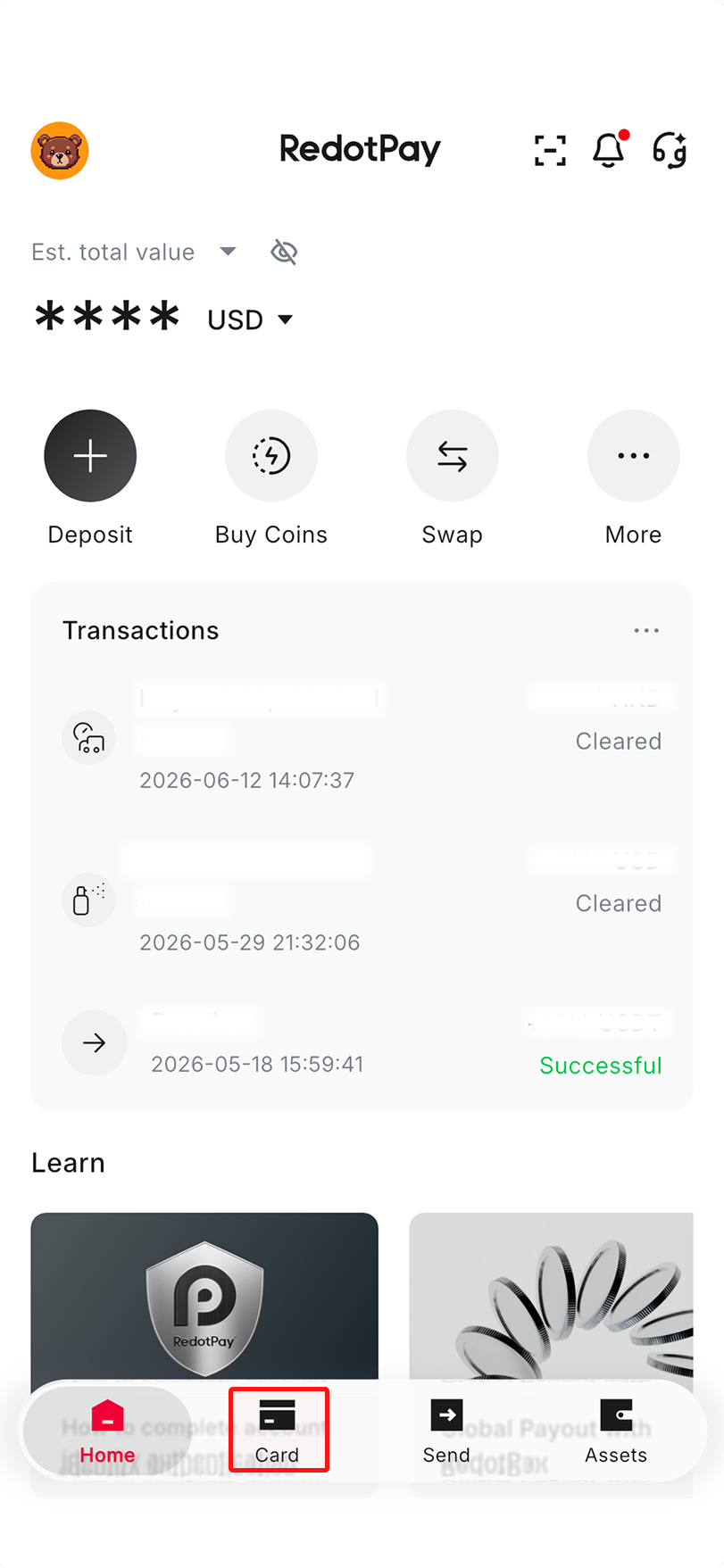
- Sign up through cryptocardinsider.com — promo code xn03i auto-applies (no manual entry)
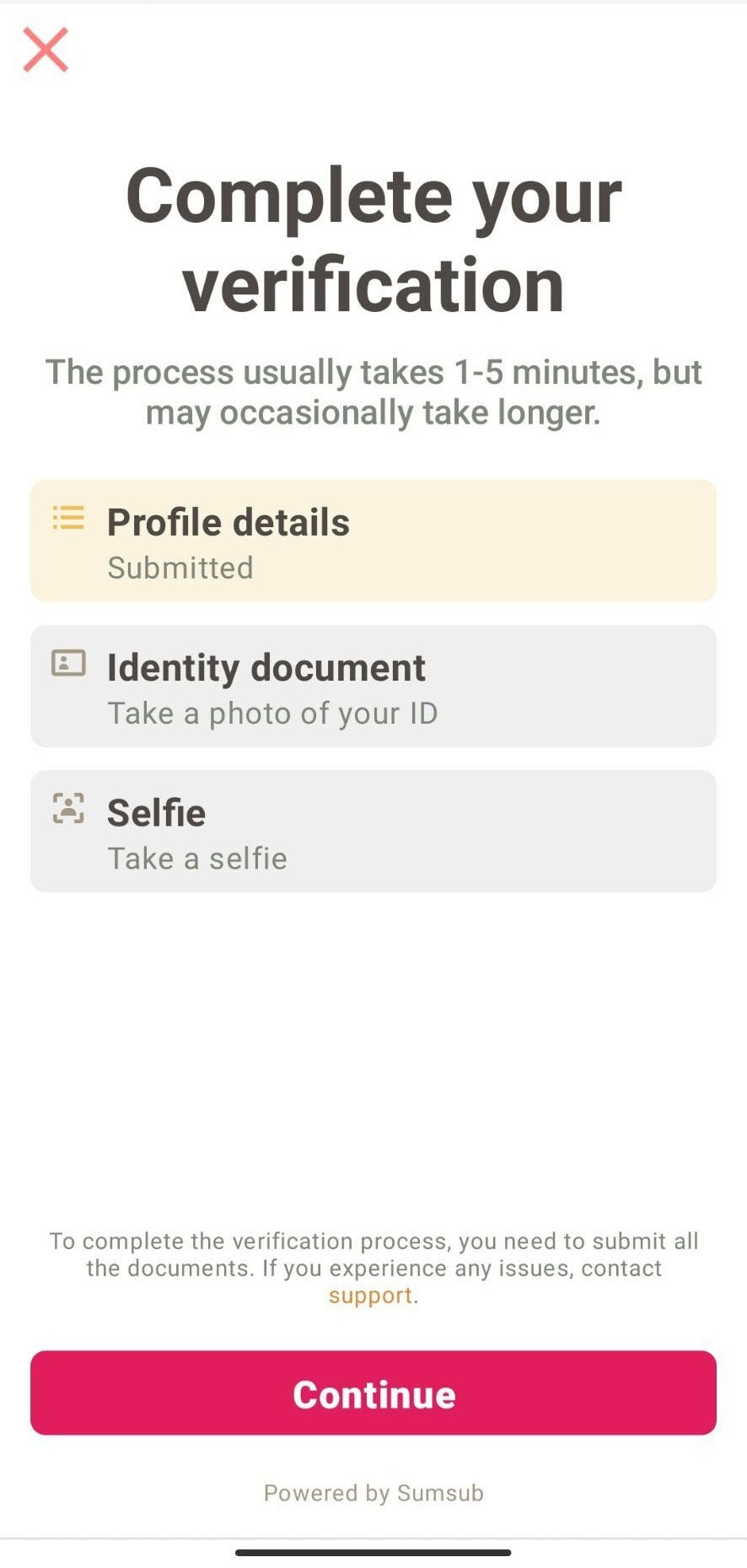
- Complete KYC with your CCCD (Căn cước công dân / citizen ID) — typically approved within minutes
- Buy USDT on Binance Vietnam, Remitano, or ONUS using VND via MoMo, ZaloPay, or bank transfer
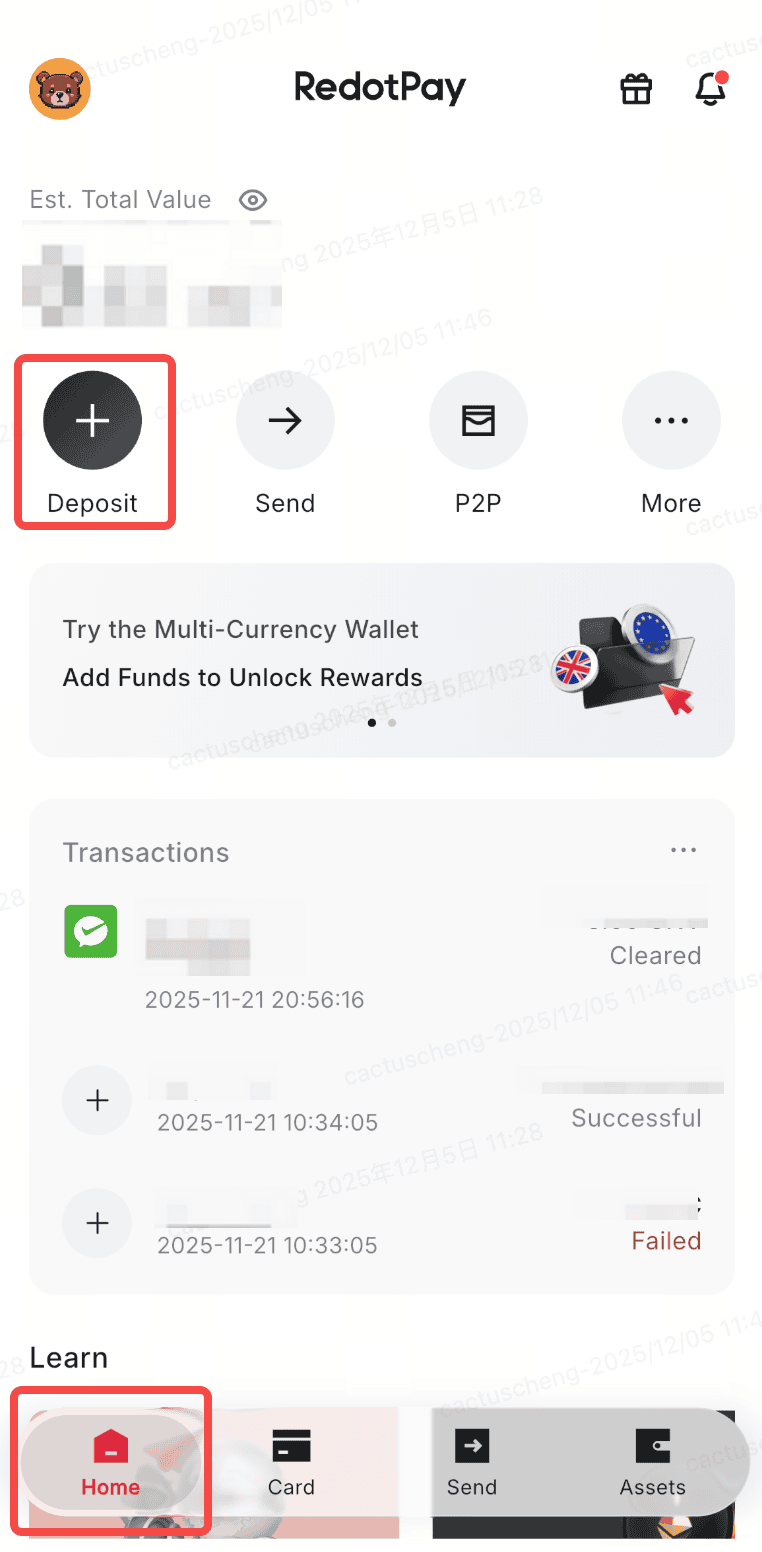
- Transfer USDT (TRC20 network, ~$1-2 fees) to your RedotPay wallet address
- Activate your card — use code RDVIR for virtual card (20% off $10) or RDPHY for physical card (20% off $100)
- Start spending — your card works at Netflix, Spotify, Amazon, Google Ads, and any Visa-accepting merchant worldwide
Best Crypto Card for Vietnam in 2026
| Feature | RedotPay | Vietnamese Bank Card |
|---|---|---|
| Foreign Currency Limits | None — USDT funded | SBV restricted |
| Dollar Account Needed | No | Yes, documentation-heavy |
| Exchange Rate | International (USDT rate) | Bank spread + fees |
| International Payments | Yes, at any Visa merchant | Frequently declined abroad |
| Netflix / Spotify / Google Ads | Yes, direct USDT | Unreliable |
| Funding Methods | MoMo, ZaloPay, bank, P2P | Bank account only |
| Virtual Card Cost | $10 (RDVIR: 20% off) | Not applicable |
Why RedotPay for Vietnam specifically? First, Vietnamese users already live on mobile wallets — MoMo and ZaloPay have tens of millions of users — and RedotPay's funding flow slots right into that ecosystem: VND from MoMo or ZaloPay to USDT on a local exchange, then USDT to your RedotPay card. Second, Vietnam's tech-savvy freelancers and e-commerce sellers need reliable international payments, and RedotPay works at every Visa merchant with no SBV approval needed. Third, with dong depreciation grinding on, holding earnings in USDT and spending through the card protects dollar value by default.
Funding Your Card in Vietnam
- Binance Vietnam: The most popular route for Vietnamese users. Buy USDT via P2P from local sellers who accept MoMo, ZaloPay, or bank transfer, with escrow protection and the deepest liquidity.
- Remitano: A Vietnamese-founded P2P exchange known for its local-language interface and escrow trading. Accepts bank transfers and local payment methods, and is trusted by many Vietnamese first-time buyers.
- ONUS: A Vietnamese crypto app that supports VND deposits via bank transfer and local payment methods, with an easy-to-use mobile interface for buying USDT.
- Local P2P groups: Active USDT traders operate across Vietnamese Telegram and Zalo groups. Always use escrow-protected platforms for your first trades.
Common Use Cases in Vietnam
1. International Subscriptions
Netflix, Spotify, YouTube Premium, and ChatGPT Plus bill in USD, and Vietnamese cards are often declined for these recurring charges. With RedotPay, a $15.99 Netflix subscription costs exactly $15.99 from your USDT balance — no declined payments, no bank conversion spread, no workarounds.
2. Freelance and E-commerce Payments
Vietnam is a major hub for freelancers on Upwork, Fiverr, and for international e-commerce sellers on Amazon and Shopee cross-border. Traditional withdrawal routes charge high cross-border fees and require lengthy bank documentation. With RedotPay, freelancers and sellers receive USDT directly, hold dollar value, and spend through the card — a cheaper and faster rail than any bank transfer.
3. International Online Shopping
Amazon, AliExpress, international software, and online courses need a card that works across borders. RedotPay works at every Visa-accepting merchant, making international shopping and digital purchases simple and reliable — no bank approval processes, no foreign-currency limits.
4. Savings Protection
With the dong depreciating year after year and SBV limiting dollar purchases, converting VND to USDT through MoMo- or bank-funded exchanges and holding it in your RedotPay wallet is one of the simplest ways to preserve dollar value. You can spend those USDT through the card whenever you need, or convert back to VND when the rate suits you.
Frequently Asked Questions
Can I use a crypto card in Vietnam?
How does a crypto card help with dong depreciation?
Can I fund a RedotPay card with MoMo or ZaloPay?
Is RedotPay legal in Vietnam?
Can Vietnamese freelancers and e-commerce sellers receive payments with a crypto card?
Ready to Beat Dong Depreciation?
Get your RedotPay thẻ đô la ảo today and start spending USDT at real international rates — no SBV limits, no declined cards, no cross-border fees.
Sign Up Now — Promo Code Auto-AppliedBoth codes give 20% off card activation