Crypto Card Philippines 2026: Lower OFW Remittance Costs with USDT Spending
The Philippines is one of the world's largest remittance markets, with Overseas Filipino Workers (OFWs) sending home over $30 billion annually — yet traditional channels still charge 6-8% in combined fees and spreads. Meanwhile, roughly 51% of Filipino adults remain unbanked, and peso volatility erodes savings. A crypto card like RedotPay lets Filipinos hold USDT, receive remittances for $1-2, and spend at real dollar rates — no bank account required.
Why the Philippines Needs a Crypto Card
Three structural realities explain why crypto cards have grown quickly in the Philippines — and why millions of Filipinos are turning to USDT-backed cards in 2026.
Peso Volatility and Dollar Dependence
The Philippine peso has been under persistent pressure against the US dollar, and for a country whose economy depends heavily on dollar remittances and BPO exports, that volatility matters. When you receive dollars from abroad through a bank, the bank converts at its own rate with spreads baked in. Holding USDT instead gives Filipinos direct exposure to the dollar, so remittances and freelance earnings retain their value until the moment you choose to convert or spend.
The Unbanked Majority
Roughly 51% of Filipino adults do not have a bank account. That means they cannot get an international debit or credit card, cannot easily buy from Amazon or international stores, and cannot receive dollar payments directly. What most of them do have is a smartphone — which is why mobile wallets like GCash and Maya have exploded. A RedotPay crypto card extends the same logic one step further: no bank account needed, just a phone, an ID for KYC, and USDT in your wallet.
High Remittance Fees and Limited Card Access
Every peso sent through Western Union, MoneyGram, or bank wire carries fees on both ends — the sender pays a fee, the recipient pays an exchange spread, and sometimes a cash pickup fee on top. Add it up and 6-8% of every remittance disappears. Access to international payment cards is similarly constrained: most international subscriptions, software purchases, and online stores require a card that can transact in USD, and many Filipino bank cards either lack that capability or impose strict daily caps.
How to Get a Crypto Card in the Philippines
The process works for banked and unbanked Filipinos alike:
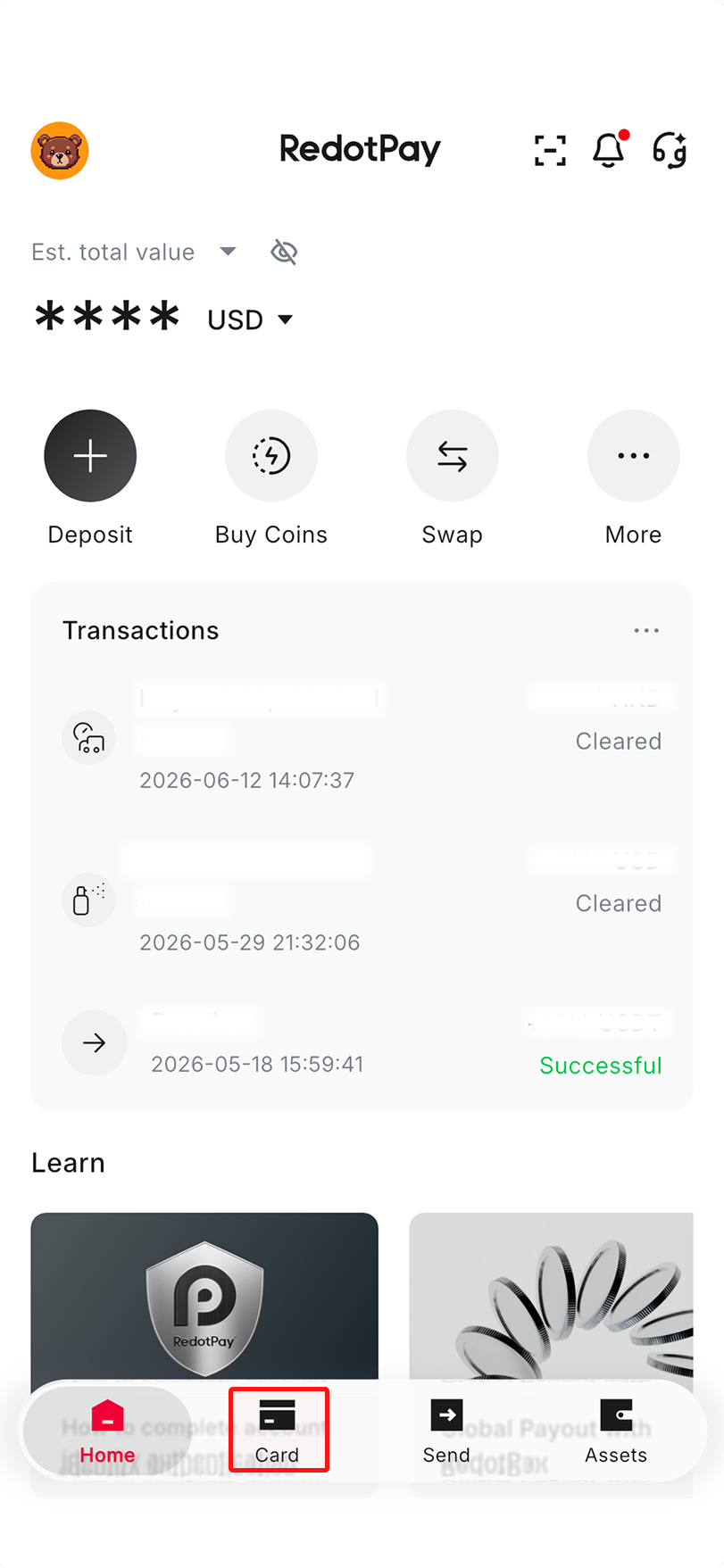
- Sign up through cryptocardinsider.com — promo code xn03i auto-applies (no manual entry)
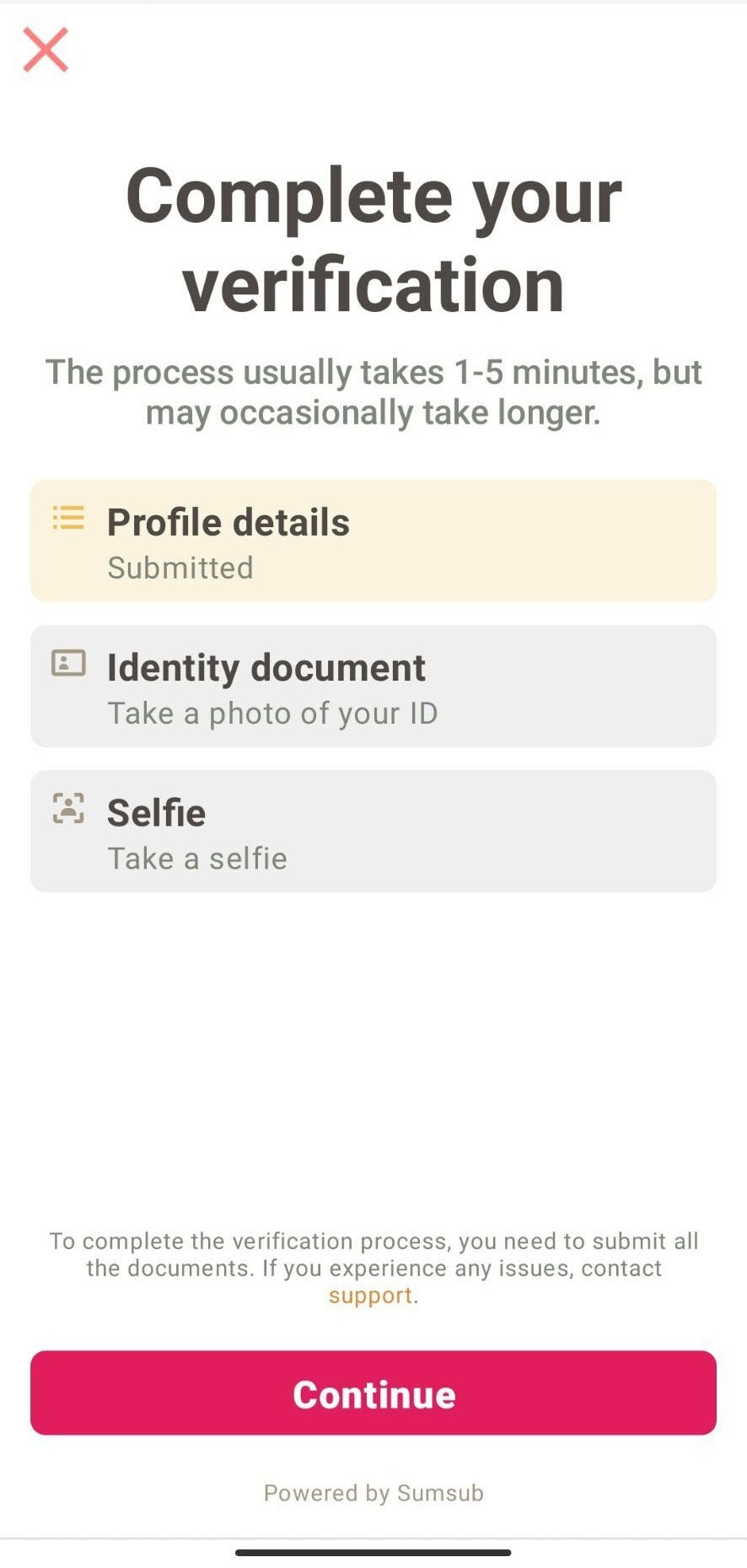
- Complete KYC with your passport, driver's license, or UMID — typically approved within minutes
- Buy USDT on Coins.ph, PDAX, or Binance P2P using PHP via GCash, Maya, or bank transfer
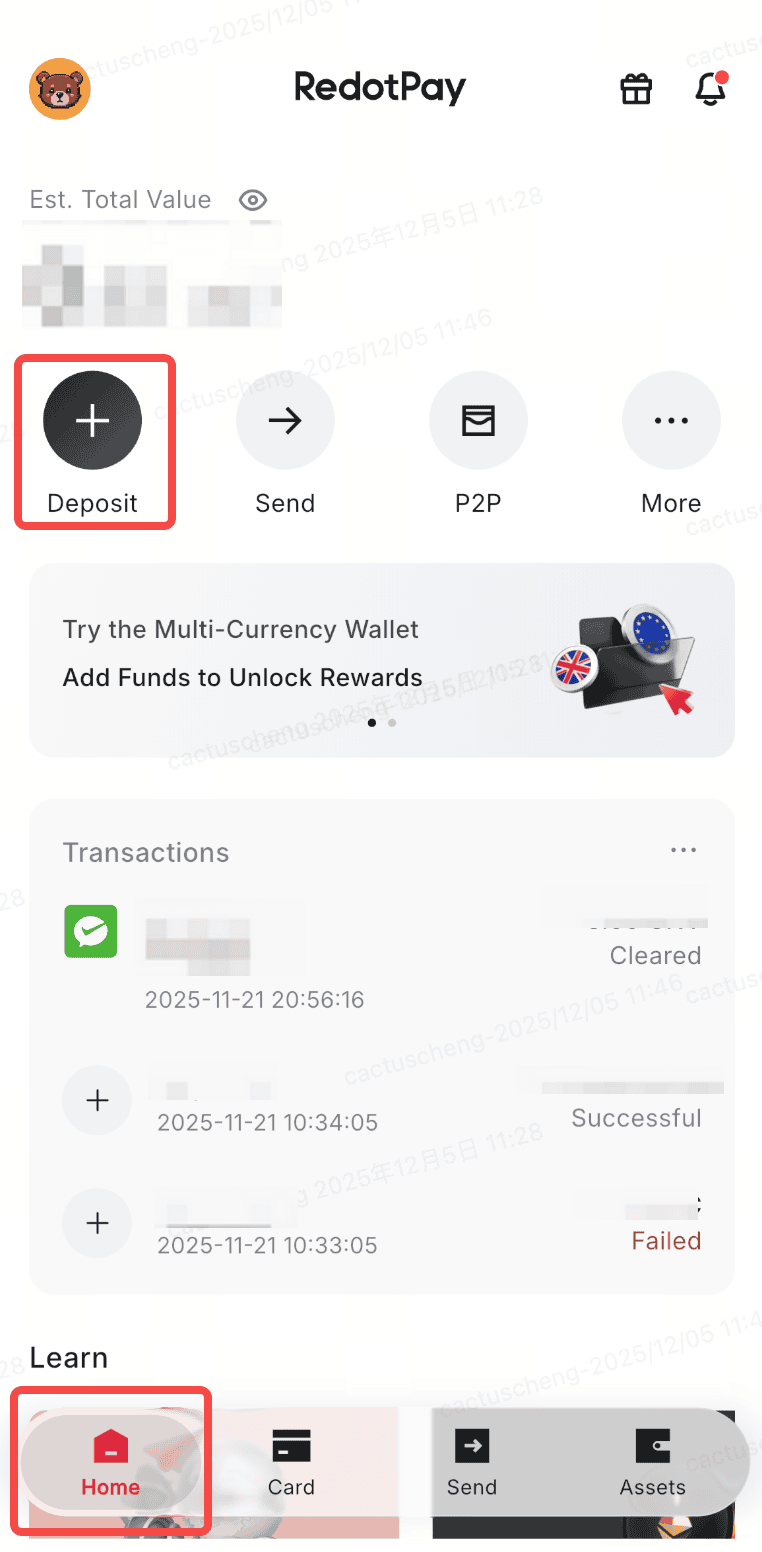
- Transfer USDT (TRC20 network, ~$1-2 fees) to your RedotPay wallet address
- Activate your card — use code RDVIR for virtual card (20% off $10) or RDPHY for physical card (20% off $100)
- Start spending — your card works at Netflix, Spotify, Amazon, Google Ads, and any Visa-accepting merchant worldwide
Best Crypto Card for the Philippines in 2026
| Feature | RedotPay | Remittance / Bank Card |
|---|---|---|
| Bank Account Needed | No — GCash/Maya funding works | Yes for bank cards |
| Remittance Cost | $1-2 USDT transfer | 6-8% combined fees |
| Transfer Speed | Minutes | 1-5 business days |
| Exchange Rate | International (USDT rate) | Bank / remittance spread |
| International Subscriptions | Yes, direct USDT | Often capped or blocked |
| Funding Methods | GCash, Maya, bank, P2P | Bank account only |
| Virtual Card Cost | $10 (RDVIR: 20% off) | Not applicable |
Why RedotPay specifically for the Philippines? First, the unbanked angle: with roughly half of Filipino adults lacking a bank account, any solution that requires a bank is automatically excluded from half the population. RedotPay only needs KYC and a crypto wallet. Second, the OFW angle: a domestic helper in Hong Kong or a nurse in Saudi Arabia can send USDT to family in Manila for $1-2, and the family spends it directly through the card — no Western Union queue, no 6-8% haircut. Third, RedotPay supports Apple Pay and Google Pay, so Filipino users can pay for Netflix, Spotify, ChatGPT, and international software exactly as locals in the US do.
Funding Your Card in the Philippines
- Coins.ph: A BSP-licensed exchange that pioneered crypto in the Philippines. Supports PHP deposits via GCash, Maya, and bank transfer. Easy for beginners and unbanked users with a mobile wallet.
- PDAX (Philippine Digital Asset Exchange): One of the largest licensed Philippine exchanges. Supports bank transfers and offers a reliable USDT on-ramp for users with a bank account.
- Binance P2P: Buy USDT directly from Filipino sellers using GCash, Maya, or bank transfer with escrow protection. Usually offers the best rates and is ideal for unbanked users.
- Local crypto groups: Active USDT traders operate across Philippine Telegram and Facebook groups, often offering GCash-friendly rates. Use escrow-protected P2P platforms for your first trades.
Common Use Cases in the Philippines
1. International Subscriptions
Netflix, Spotify, YouTube Premium, and ChatGPT Plus bill in USD, and many Filipino bank cards either cannot transact internationally or hit strict monthly caps. With RedotPay, a $15.99 Netflix subscription costs exactly $15.99 from your USDT balance — no spread, no declined transactions, no asking a relative abroad to pay.
2. OFW Remittances
For the roughly 2.3 million OFWs working abroad, sending money home is the single most important financial transaction of the month. Traditional corridors cost 6-8%. USDT transfers cost $1-2 and arrive in minutes. The recipient can spend the USDT directly through a RedotPay card, or convert to PHP through a local exchange or P2P seller when the rate is favorable.
3. Freelance Payments
The Philippines has a thriving freelancer economy on Upwork, Fiverr, and OnlineJobs.ph. Freelancers often struggle to receive payments without PayPal or a dollar bank account. With RedotPay, they can receive USDT directly, hold dollar value, and spend it through the card — no withdrawal fees, no conversion loss until they choose to cash out.
4. International Online Shopping and Services
Amazon, AliExpress, international SaaS tools, and online courses all require a card that works internationally. RedotPay works at every Visa-accepting merchant, so unbanked Filipinos can finally shop and subscribe just like cardholders anywhere else in the world.
Frequently Asked Questions
Can I use a crypto card in the Philippines?
How does a crypto card help with OFW remittances?
Can I fund a RedotPay card with GCash or Maya?
Is RedotPay legal in the Philippines?
Can I get a crypto card if I am unbanked in the Philippines?
Ready to Cut Your Remittance Costs?
Get your RedotPay card today and start spending USDT at real international rates — no 6-8% remittance fees, no bank account required.
Sign Up Now — Promo Code Auto-AppliedBoth codes give 20% off card activation