Crypto Card Pakistan 2026: Escape PKR Devaluation with USDT Spending
The Pakistani rupee has lost roughly half its value against the US dollar since 2022, while State Bank of Pakistan restrictions make opening dollar accounts difficult for ordinary residents. PayPal remains unavailable, and remittance channels charge 5-8% in fees. A crypto card — particularly RedotPay — lets Pakistanis hold USDT instead of rupees, then spend it directly at international merchants at real dollar rates, without needing a dollar bank account at all.
Why Pakistan Needs a Crypto Card
Pakistan's economic and financial landscape in 2026 explains why crypto cards have become a practical tool for millions of Pakistanis — from Karachi-based freelancers to overseas workers sending money home to families in Lahore and Rawalpindi.
The Rupee Devaluation Crisis
The Pakistani rupee (PKR) has depreciated by approximately 50% against the US dollar since 2022, and the slide has continued through 2026 as inflation and external debt pressures persist. For anyone earning in rupees, this means the purchasing power of local savings falls every month. Freelancers who earn dollars through Upwork, Fiverr, and Deel face a stark choice: convert dollars to rupees and watch their income erode, or hold dollars and keep the value. A crypto card makes the second option realistic — you can receive USDT, hold it, and spend it directly without ever converting to PKR.
State Bank Restrictions on Dollar Accounts
Opening a foreign-currency bank account in Pakistan is difficult and tightly controlled by the State Bank of Pakistan (SBP). Banks require extensive documentation, and restrictions on foreign exchange transactions limit how much USD you can access or hold. Even when a dollar account exists, withdrawals and international transactions are subject to caps and approval processes. A RedotPay crypto card sidesteps this entirely: it is a prepaid card funded by your own crypto, not a bank account, so it operates outside the SBP's dollar account regime while still letting you spend dollars globally.
No PayPal, High Remittance Fees
PayPal has never been fully available in Pakistan for receiving money, forcing freelancers to use workarounds, third-party services, or bank wire transfers that carry heavy fees. Similarly, the average cost of sending remittances into Pakistan runs between 5-8% once exchange-rate spreads and fees are combined. For overseas Pakistanis sending PKR home each month, those charges add up quickly. USDT transfers on the TRC20 network cost roughly $1-2 regardless of amount, making crypto the cheapest remittance rail Pakistan has ever had access to.
How to Get a Crypto Card in Pakistan
The process is straightforward and works for any Pakistani resident with a valid CNIC:
- Sign up through cryptocardinsider.com — promo code xn03i auto-applies (no manual entry)
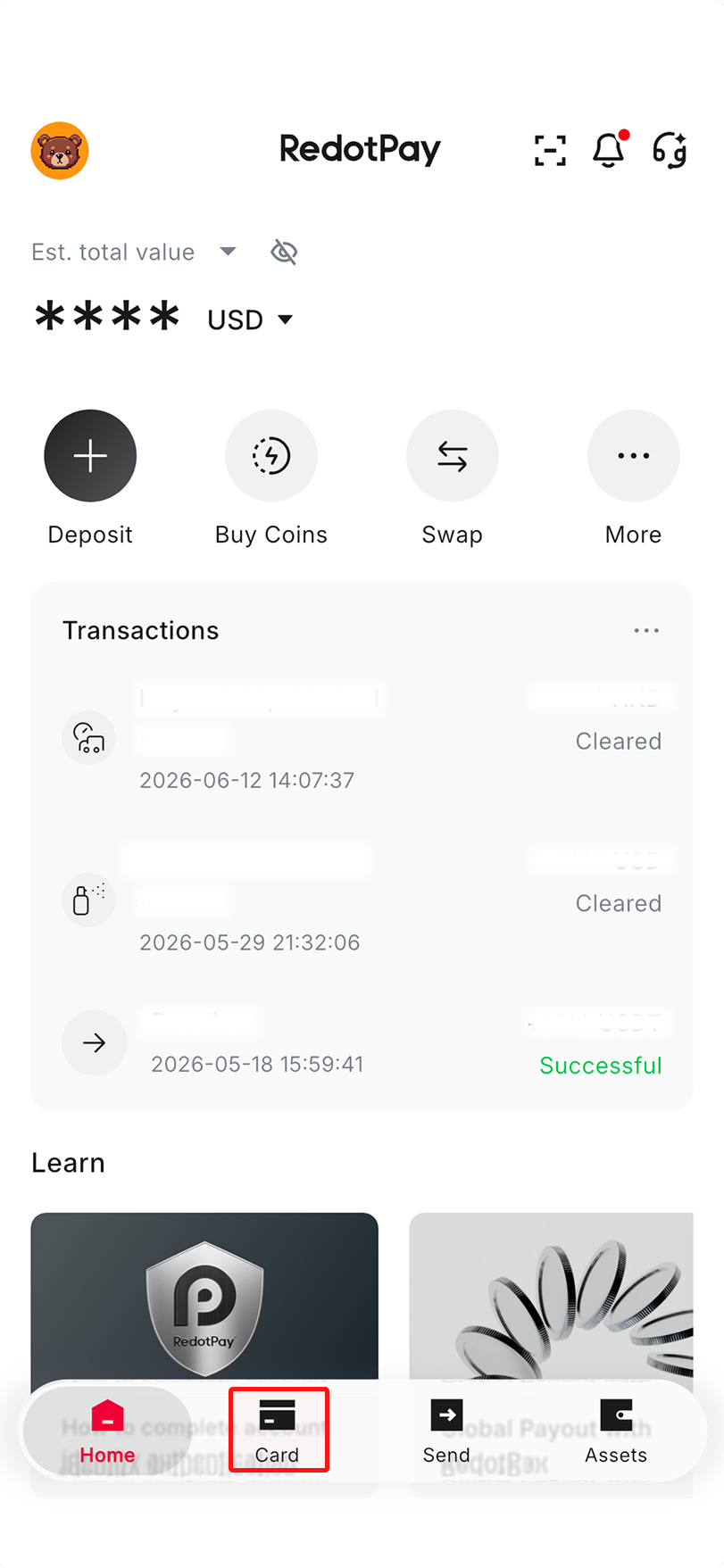
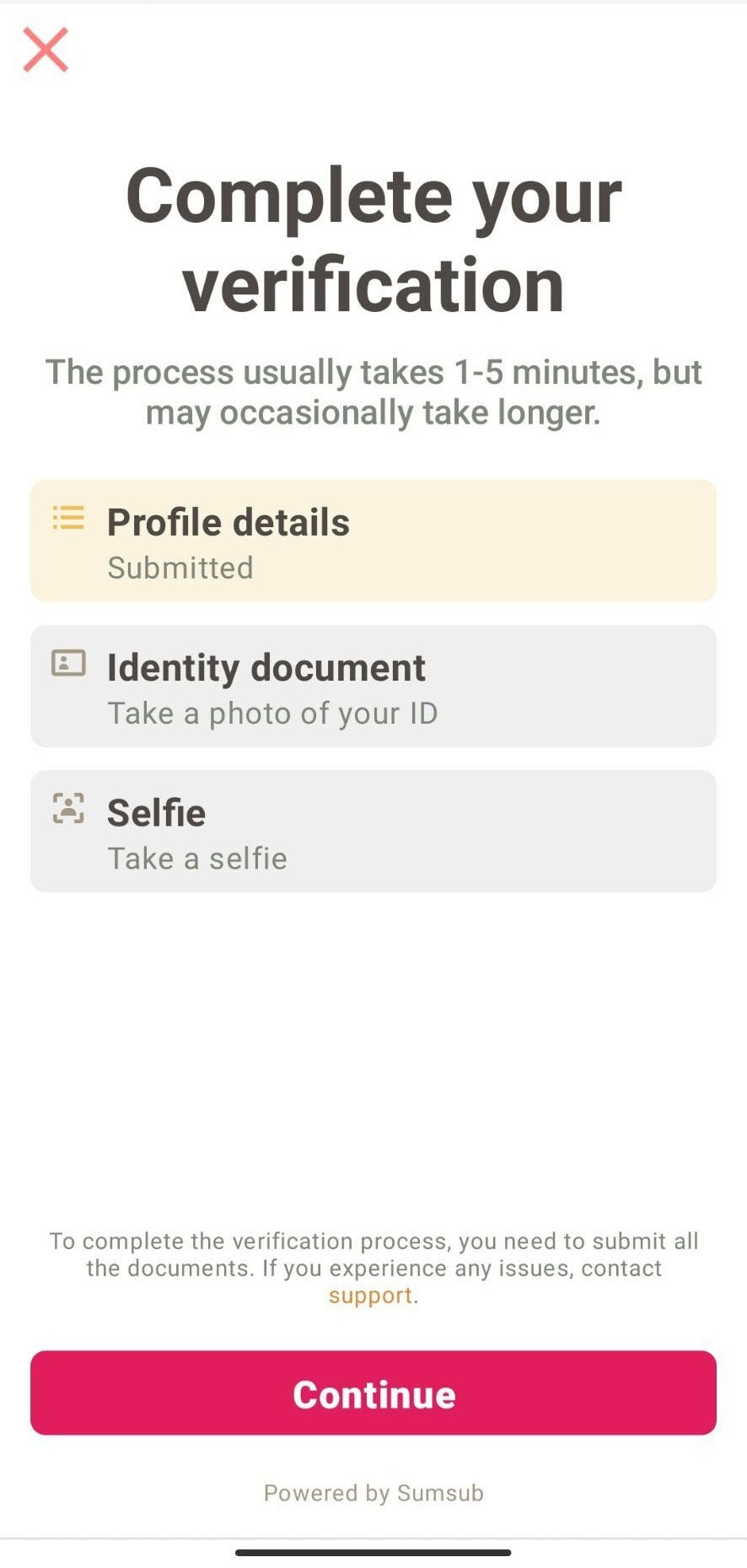
- Complete KYC with your CNIC (Computerized National Identity Card) — typically approved within minutes
- Buy USDT on Binance P2P, Rain, or UrduBit using PKR via Easypaisa, JazzCash, or bank transfer
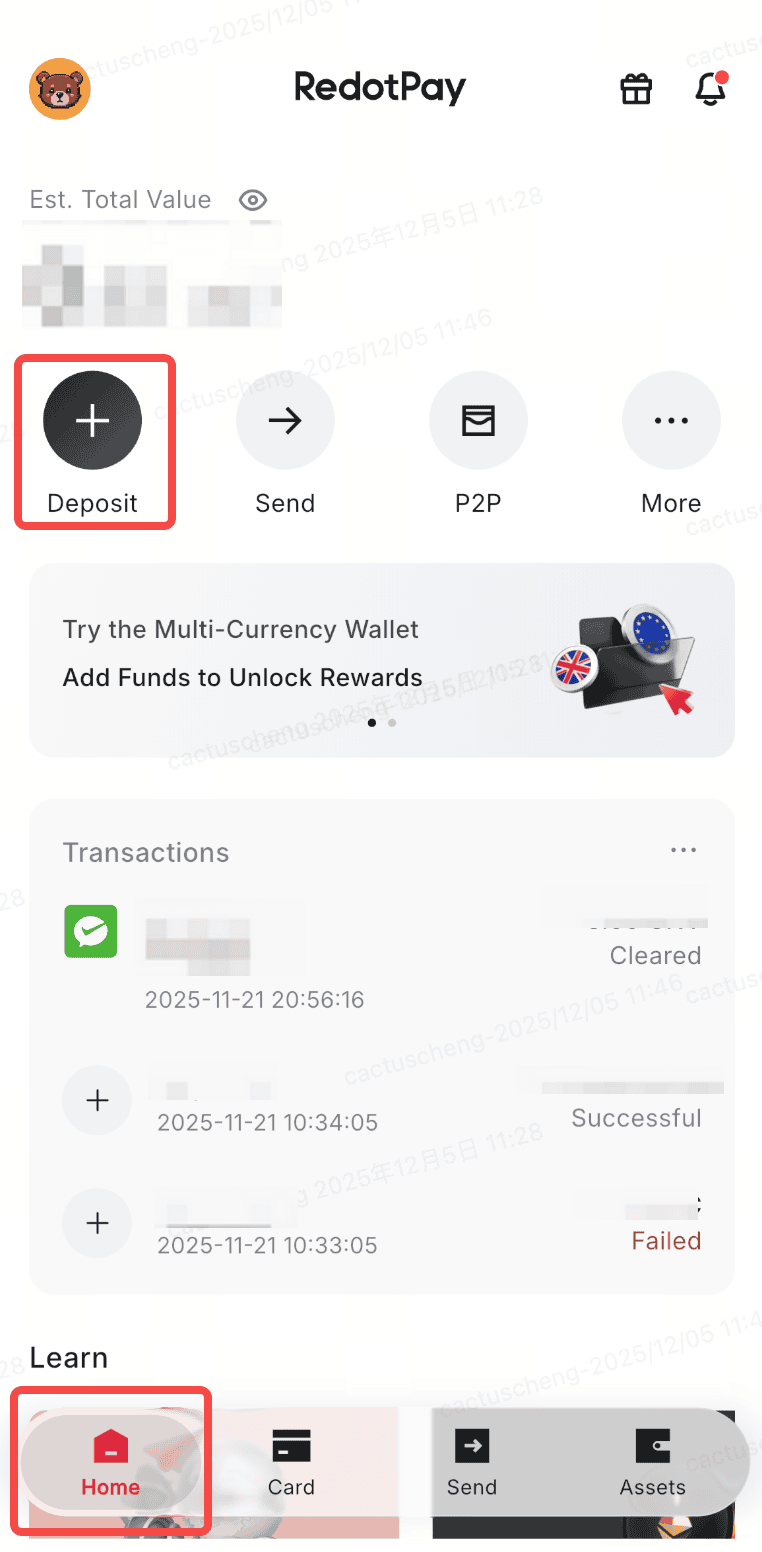
- Transfer USDT (TRC20 network, ~$1-2 fees) to your RedotPay wallet address
- Activate your card — use code RDVIR for virtual card (20% off $10) or RDPHY for physical card (20% off $100)
- Start spending — your card works at Netflix, Spotify, Amazon, Google Ads, and any Visa-accepting merchant worldwide
Best Crypto Card for Pakistan in 2026
| Feature | RedotPay | Pakistani Bank Card |
|---|---|---|
| Dollar Account Needed | No — funded by USDT | Yes — SBP restricted |
| PayPal Required | No | Not available in PK |
| Exchange Rate | International (USDT rate) | Bank spread + fees |
| International Spending | Direct USDT, ~0.8% fee | Caps + 3-5% forex charges |
| Netflix / Spotify / Google Ads | Yes, direct USDT | Often blocked / restricted |
| Funding Methods | Easypaisa, JazzCash, bank, P2P | Bank account only |
| Virtual Card Cost | $10 (RDVIR: 20% off) | Not applicable |
Why is RedotPay the best fit for Pakistan specifically? Three reasons. First, it does not depend on any Pakistani banking infrastructure — you fund it with USDT bought through P2P or local exchanges, so SBP restrictions on dollar accounts simply do not apply. Second, USDT on the TRC20 network has transfer fees of about $1-2, which matters enormously when the average freelancer payout in Pakistan is small. Third, the card is accepted at every Visa merchant and supports Apple Pay and Google Pay, so Pakistani users can pay for Netflix, Spotify, Amazon, Google Ads, and international software without asking a friend abroad to pay on their behalf.
Funding Your Card in Pakistan
- Binance P2P: The most popular route in Pakistan. Buy USDT directly from local sellers using Easypaisa, JazzCash, or bank transfer. You control the trade with escrow protection and usually get the best available rates.
- Rain (Rain Financial): A licensed crypto exchange in the MENA region serving Pakistani users. Supports bank transfers and offers a clean, regulated on-ramp for buying USDT.
- UrduBit: A Pakistan-focused exchange that accepts PKR deposits via bank transfer and Easypaisa. Convenient for users who prefer a local service.
- Local crypto groups: Many Pakistani cities have active USDT traders on WhatsApp and Telegram who trade at competitive rates, though P2P platforms with escrow are safer for first-time users.
Common Use Cases in Pakistan
1. International Subscriptions
Netflix, Spotify, YouTube Premium, and ChatGPT Plus all charge in USD. With a Pakistani bank card, many of these subscriptions either fail due to SBP restrictions on foreign transactions or arrive with heavy forex charges and approval delays. With RedotPay, you pay exactly the listed price from your USDT balance — a $15.99 Netflix subscription costs $15.99, no surprise fees, no declined transactions.
2. Freelance Payment Receiving
Pakistan has one of the largest freelance workforces in the world, with developers, designers, and writers earning on Upwork, Fiverr, and Deel. PayPal's absence means most must use Payoneer or other workarounds, all of which charge withdrawal fees and can delay payments. With RedotPay, a freelancer can receive USDT directly, hold it in dollar value, and spend it through the card — the entire payment rail costs a fraction of traditional channels.
3. International Online Shopping
Amazon, AliExpress, and international software stores typically require a valid international payment card. Pakistani bank cards are frequently declined for such purchases or are subject to strict monthly foreign-spending caps. RedotPay works at every Visa-accepting merchant, so online shopping becomes simple and predictable.
4. Remittances
The average cost of sending remittances to Pakistan is 5-8% once fees and exchange-rate spreads are combined. For overseas Pakistanis in the Gulf, Europe, and North America, sending $500 home can cost $25-40. Sending USDT instead costs $1-2 on TRC20, and the recipient can either hold it, spend it via their own RedotPay card, or convert to PKR through a local exchange when the rate is favorable.
Frequently Asked Questions
Can I use a crypto card in Pakistan?
How does a crypto card help with PKR devaluation?
Can I use Easypaisa or JazzCash to fund a RedotPay card?
Is RedotPay legal in Pakistan?
Can Pakistani freelancers receive payments on a crypto card?
Ready to Beat PKR Devaluation?
Get your RedotPay card today and start spending USDT at real international rates — no dollar account, no PayPal, no 5-8% remittance fees.
Sign Up Now — Promo Code Auto-AppliedBoth codes give 20% off card activation